
What Is Fast-Casual Dining?
Fast-casual restaurants generally offer counter or streamlined service while emphasizing food quality, freshness, menu variety, and a more comfortable dining environment than traditional quick-service restaurants.
The result is a flexible dining experience. A customer can stop in for a quick lunch, order takeout for the family, enjoy dinner in the restaurant, or choose a meal that aligns with personal preferences.
That flexibility is one reason the category continues to appeal to consumers. Fast-casual restaurants can serve customers who prioritize speed without asking them to sacrifice flavor or quality.
Consumers Want Convenience and Quality
Convenience remains a major factor in restaurant decisions. People have busy work schedules, family responsibilities, commutes, and social commitments. At the same time, consumers are increasingly interested in what they are eating and how their food is prepared.
Fast-casual concepts can address both priorities. The service model is designed for speed, while the menu can focus on fresh ingredients, made-to-order preparation, customization, and recognizable food.
Mediterranean cuisine is particularly well suited to this environment. Fresh vegetables, herbs, grains, grilled proteins, salads, bowls, and flavorful sauces provide variety while supporting the expectation of fresh, satisfying meals.
A Menu With Broad Appeal
A strong fast-casual concept needs to appeal to more than one type of customer. Families may want variety, professionals may need a quick lunch, and health-conscious diners may look for lighter options.
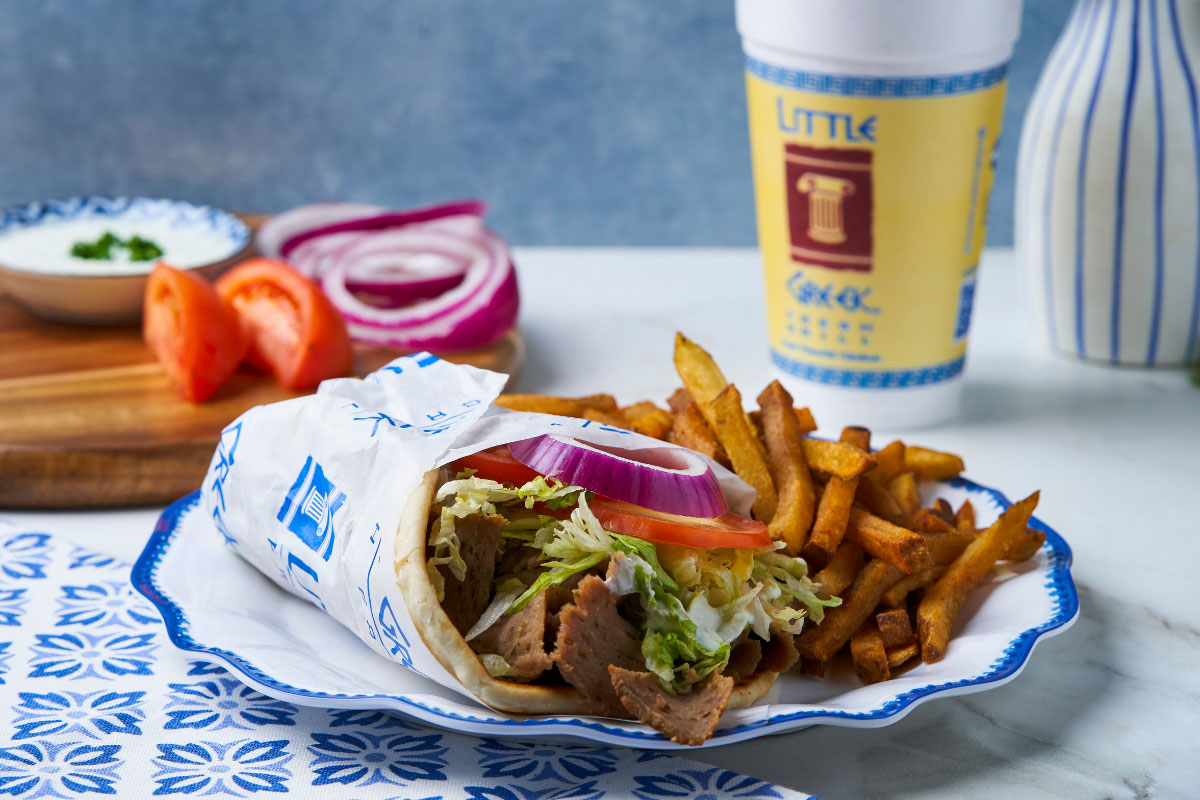
Little Greek's menu includes gyros, souvlaki, falafel, Greek salads, bowls, and other Mediterranean favorites. That range gives guests multiple ways to build a meal based on taste and dietary preferences.
For a franchise owner, broad menu appeal can be valuable because the restaurant is not dependent on a single customer demographic. A well-positioned fast-casual restaurant can serve office workers at lunch, families at dinner, and customers looking for takeout or catering.
Operational Efficiency Matters
Fast-casual dining is not simply about serving food quickly. The business model depends on consistency, training, workflow, purchasing, staffing, food preparation, and customer service.
A franchise system can help an owner enter the industry with established processes rather than developing every operating procedure independently. Little Greek provides franchisees with training, operational guidance, supply chain resources, and marketing support.
For entrepreneurs, this type of structure can be especially useful when evaluating restaurant ownership for the first time. The franchise system provides a framework, while the owner remains responsible for leading the business and executing the model locally.
Why Fast-Casual Fits South Florida
South Florida offers an especially interesting environment for fast-casual dining. The region includes dense residential communities, business districts, tourism, seasonal visitors, and consumers with diverse tastes.
Little Greek's South Florida franchise program is focused on strategic growth throughout Miami-Dade, Broward, and Palm Beach counties. The brand's Mediterranean menu is a natural fit for a market where diners are accustomed to diverse cuisines and value fresh, flavorful food.
Fast-casual restaurants can also work across different types of commercial environments, from shopping centers and suburban retail corridors to areas near offices, residential developments, and other high-traffic destinations.
Fast-Casual Is About the Experience, Too
Food is only part of the fast-casual equation. Customers also remember service, cleanliness, atmosphere, convenience, consistency, and the feeling they get when they visit.
Little Greek emphasizes a welcoming, community-focused restaurant experience. The goal is not simply to move customers through a line, but to create a place where people can enjoy a meal and return regularly.
For franchise owners, this creates an opportunity to become part of the community rather than operating as an anonymous food business. Local relationships, community involvement, and consistent service can help turn first-time guests into repeat customers.
What This Means for Franchise Investors
Entrepreneurs considering a restaurant franchise should look for concepts that align with long-term consumer behavior. A fast-casual model can offer several advantages: convenience for guests, a flexible menu, efficient service, and the ability to serve multiple customer segments.
However, no restaurant model guarantees success. Franchisees still need to evaluate the market, investment requirements, competition, real estate, staffing needs, and their own ability to operate the business.
For the right entrepreneur, fast-casual franchising can offer a compelling combination of established systems and consumer-focused dining.
Explore the Little Greek Opportunity
Little Greek Fresh Grill brings the fast-casual model together with Mediterranean cuisine, fresh ingredients, community connection, and franchise support. With a growing presence across the country and a strategic focus on South Florida, the brand offers entrepreneurs an opportunity to enter a restaurant category built around convenience and quality.
If you are exploring restaurant franchise opportunities in South Florida, learn more about Little Greek's franchise model, available territories, investment requirements, and support system. Your next business opportunity could start with a fresh approach to fast-casual dining.
